Old House Plumbing in Ashgrove
The older streets of Ashgrove are mostly timber homes on stumps, and their plumbing has been patched, extended and re-run for generations. Old house plumbing in Ashgrove is our regular run. Local Ashgrove Plumbing works across Ashgrove and the suburbs around it, and every job is done by a licensed plumber who knows how these houses were built.
If we're late, $100 comes off your bill

- Licensed and InsuredEvery job done by a licensed plumber. QBCC No: 15024607
- Fixed Quote FirstFlat-rate pricing, agreed before any work starts
- Lifetime Labour WarrantyBacked by our Fix-It-or-It's-Free guarantee (T&Cs apply)
- $0 Call-Out FeesNo extra charge for nights, weekends or public holidays
Pipes Under the Floor of a Timber Home
In a stump-mounted house, the supply, waste and gas lines run beneath the floorboards where you can inspect them from underneath. A slab home tucks the same pipework inside the concrete and the wall linings, so reaching a leak means opening something up.
Ashgrove's weatherboard houses from between the wars sit high, with drains crossing the yard in short earthenware lengths laid before plastic pipe existed. Plenty can go wrong down there, and most of it announces itself:
- soil beneath a pipe that stays wet or soft
- drips at the joints
- rust marks along the pipe and fittings
- damp or stained timber framing
- a musty smell under the floor
We chase any of those signs with our leak detection gear before anyone cuts timber. Queensland law also puts a duty on owners here: take reasonable steps to keep the pipes and drains at your place sound and working.
Rusty Water and Weak Flow in an Old House
A galvanised pipe is steel dressed in zinc, and once that zinc skin thins, the pipe corrodes inward. What reaches the tap is rusty or discoloured water, flow that fades at several taps at once, and leaks that keep returning to the same stretch of line.
Solder carrying lead stayed standard on copper and brass joints until 1989, so the age of the service lines matters as much as the material. Where a full replacement is warranted, our repiping old pipes page spells out that side of the job.
The local tell is unmistakable in a home that kept its factory supply lines: brown water from the first pour after a still night, and the tap furthest from the meter running weakest. A split in a lined wall can soak the boards long before a stain shows on the paint.
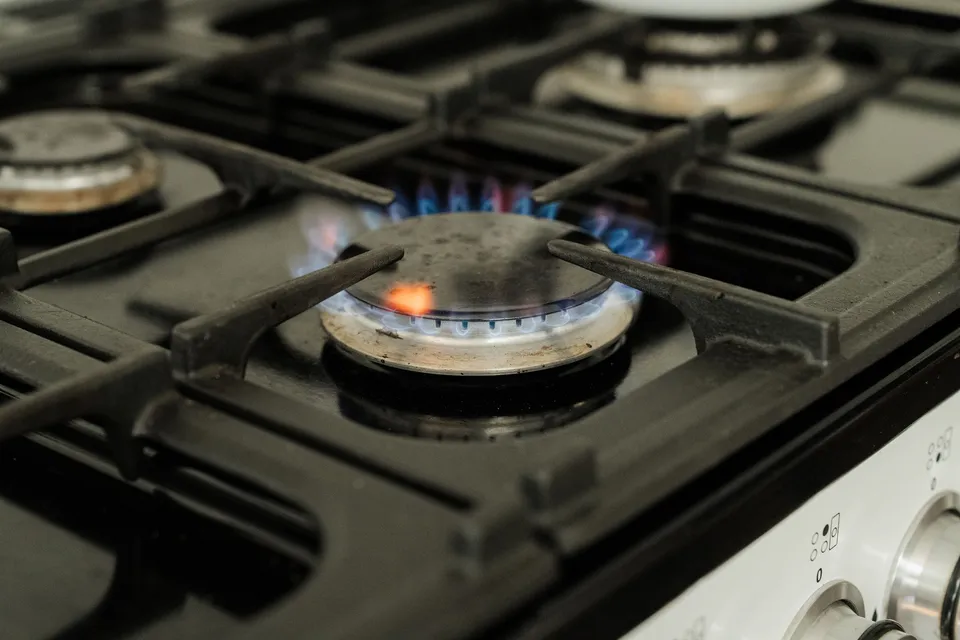
Corrosion and Wear in Older Gas Pipework
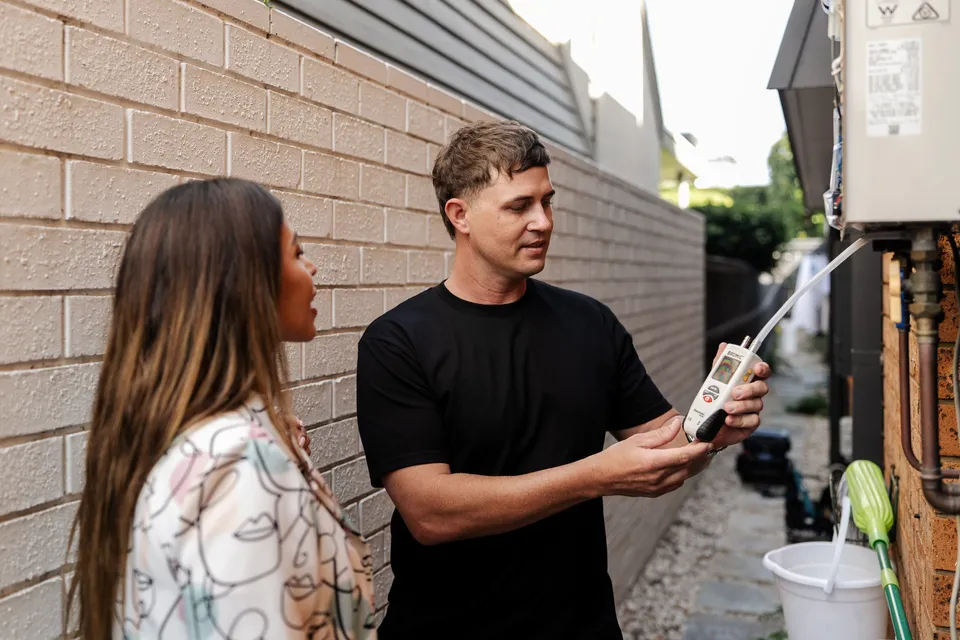
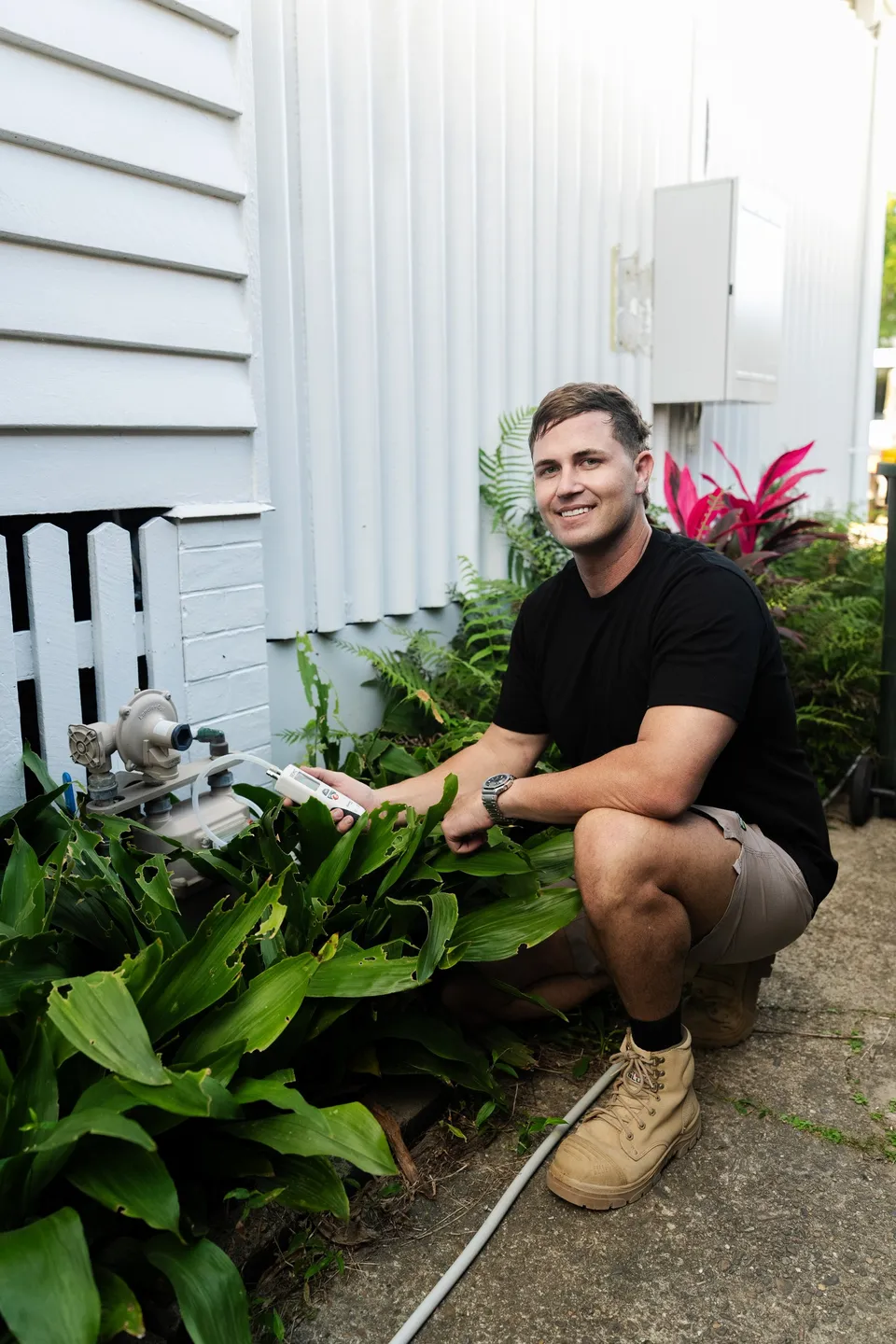
A licensed gasfitter is the only person permitted to fit, alter, repair, service or test gas pipework in Queensland. The Queensland Government also advises owners to check their gas systems regularly for rust, wear and damage, and to keep burnable materials clear of the appliances.
If something unsafe turns up mid-job, the law requires written notice of the defect for the owner, unless the fault is put right before the gasfitter leaves. That paperwork matters, because old pipework rarely fails loudly; it fails quietly at a joint you cannot see.
If you smell gas, switch the appliance off, open doors and windows, and leave every electrical switch alone. Shut the supply off at the meter or bottle if the smell stays, then call (07) 3524 7137.
Call 000 if the smell still persists after that. For the certification side of gas work, see our gas compliance certificates page.

What a Renovation Sets Off in an Older Home
Most plumbing that renovates an existing home lands under notifiable work: a licensed plumber carries it out with no council permit, then lodges a Form 4 with the QBCC. The rules call a building existing when the place already has a drain and a water service, so nearly every older house qualifies.
The paperwork splits along these lines:
- Kitchen and bathroom renovations, and new or relocated fixtures, are notifiable; the Form 4 goes in within 10 business days and the owner gets a copy.
- A permit applies instead where the building sits on a combined drain or draws from a dual-reticulated water service, and we apply to council before touching anything.
- A new or replacement water heater needs a temperature control device, so the water reaching the taps stays at or under 50°C; fitting one is notifiable.
- A new hygiene fixture such as a shower or toilet triggers that device; swapping a tap washer or a showerhead does not.
- Most houses built before 1990 contain some asbestos, so a reno on one needs extra care and checking ahead.
- A permit attaches to the premises and binds the owner, any later owner, and any occupier.
The QBCC register lets an owner search an address and request a copy of a Form 4, including where one should have arrived and never did. In the older timber streets, a rear bathroom added across the decades often drains into the original earthenware runs, so a renovation is the natural moment to check that junction.
How a Booking With Us Runs
- 1

Call or message us
Ring (07) 3524 7137 or use the form and describe what's going on in Ashgrove. A few details up front mean the right gear comes on the first trip.
- 2

We look at what the house gives us
Under the floor or inside the wall, we find the pipe the era left behind: the material, the condition, the joints and any past patches, so the quote covers the real job.
- 3
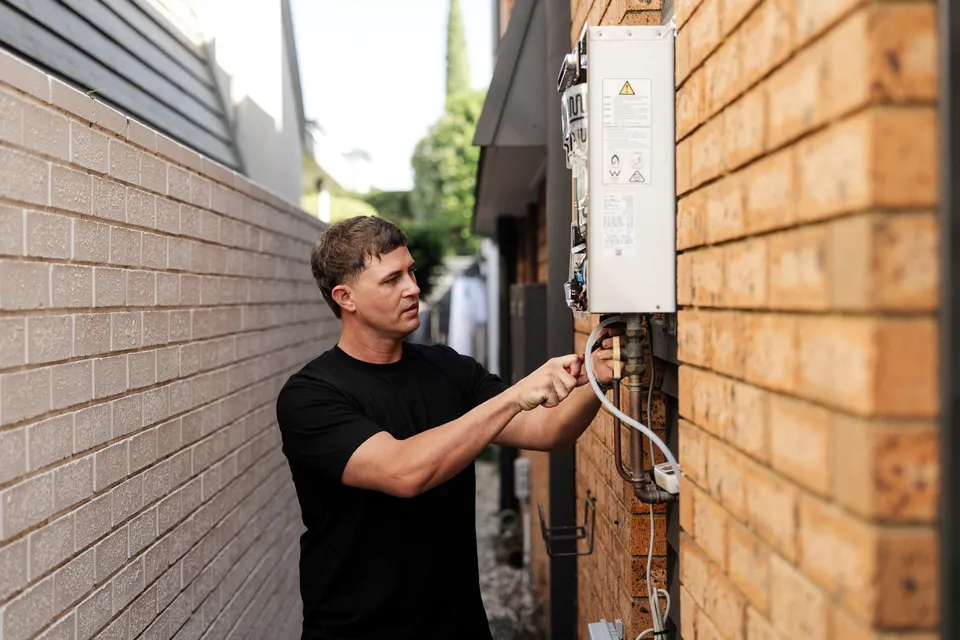
Fixed quote, then the work
We give you a fixed quote before any work starts. It's flat-rate pricing with no hidden fees, and we only start once you approve it.
- 4

Settle up your way
Card and EFTPOS payment on site when the job's finished, or Fix now, pay later if that suits you better.
Plumbing job in Ashgrove?
$0 call-out fees, available 24/7, and same-day where we can.
Questions We Get About Old Houses
Call (07) 3524 7137What is different about plumbing in an older Ashgrove home?
Age and alteration. The supply lines may still be galvanised steel corroding inward, the drains often run in old earthenware lengths under the yard, the gas fittings predate modern valves, and any renovation brings QBCC paperwork with it. The plumber reads what the walls actually hold before quoting.
Was lead used in old house plumbing?
Yes, in the solder. Until 1989, Australian plumbers commonly joined copper and brass with lead-based solder, so service lines installed before then carry that history. The age and state of the supply pipes is what a plumber assesses on site.
Is old gas pipework in my home safe to keep?
Yes, provided a licensed gasfitter passes it. Queensland advice is to have gas pipework checked often for corrosion, deterioration or damage. If you smell gas: switch the appliance off, open doors and windows, leave switches alone, shut the gas off at the meter or cylinder if the smell lingers, then call us, or 000.
Does renovating my Ashgrove home need a plumbing permit?
No, not in most cases. Renovation plumbing in a standing home is notifiable work: no council permit, and a licensed plumber lodges a Form 4 with the QBCC once finished. A permit applies only where the building shares a combined drain or runs a dual-reticulated supply.
How do I find out what plumbing work was done before?
Search it. The QBCC register lets an owner look up notifiable work by address, and the QBCC can supply a copy of any Form 4 for the property. Permits from earlier work attach to the premises, so they pass to you as the current owner.

Call Local Ashgrove Plumbing About Older PipesWe'll call you back.
Phone (07) 3524 7137 for a licensed plumber in Ashgrove. We work under QBCC No: 15024607, with flat-rate pricing, no hidden fees and same-day where we can.
To claim your $0 call-out fee, call (07) 3524 7137 today.