Toilet Repairs in Ashgrove
Few faults annoy a household faster than a loo that runs all night or weeps underfoot. Toilet repairs Ashgrove-wide are our bread and butter, and Local Ashgrove Plumbing sends a QBCC licensed plumber to each one, from the older timber streets of Ashgrove to the units near Stewart Road. Almost every cistern fault traces back to one tired part, so the fix is usually quick once the culprit has a name.
If we're late, $100 comes off your bill

- Licensed and InsuredEvery job done by a licensed plumber. QBCC No: 15024607
- Fixed Quote FirstFlat-rate pricing, agreed before any work starts
- Lifetime Labour WarrantyBacked by our Fix-It-or-It's-Free guarantee (T&Cs apply)
- $0 Call-Out FeesNo extra charge for nights, weekends or public holidays
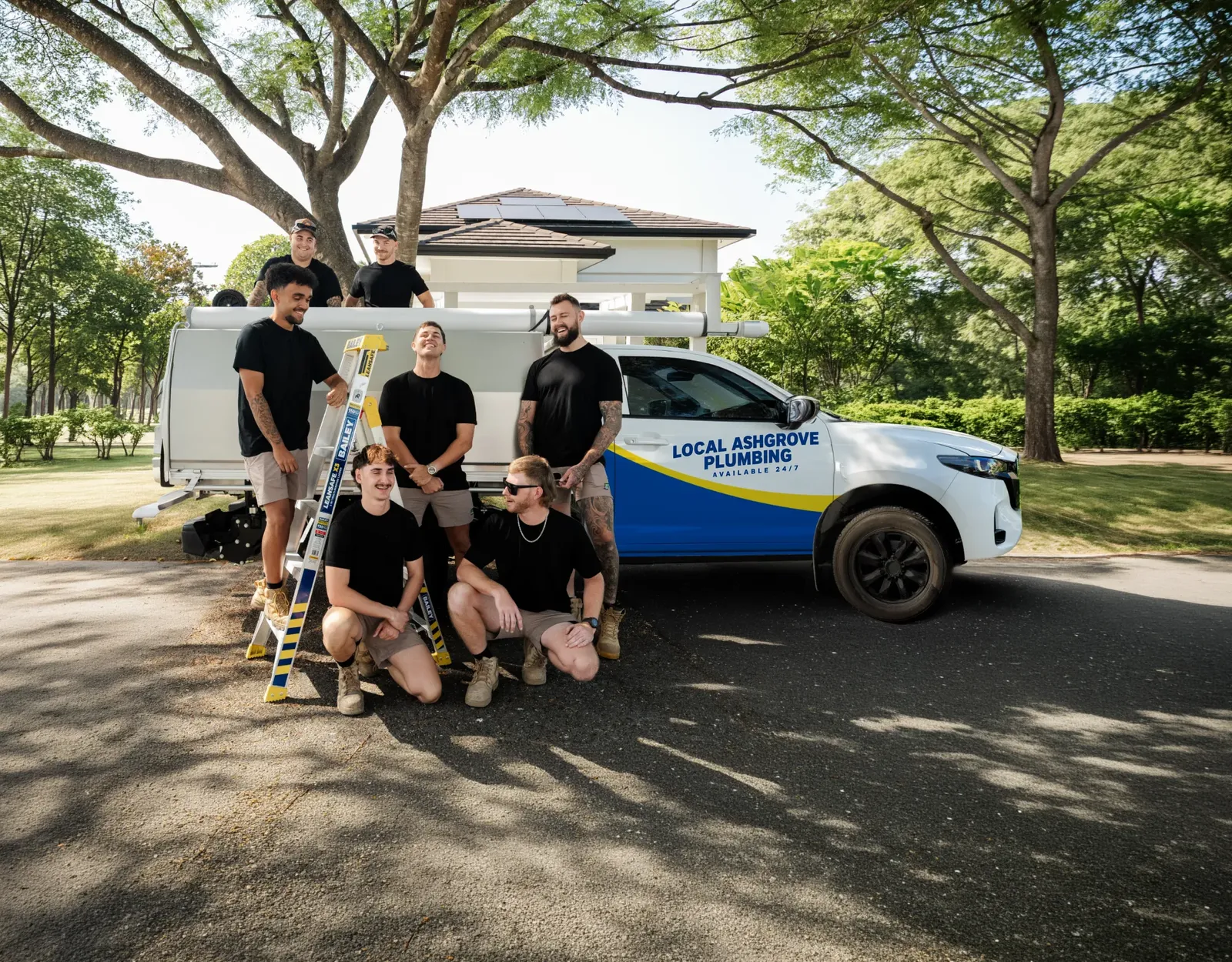
Here is how the three usual faults show themselves, where a leak hides, who is allowed to do the work, and when repairing stops making sense.
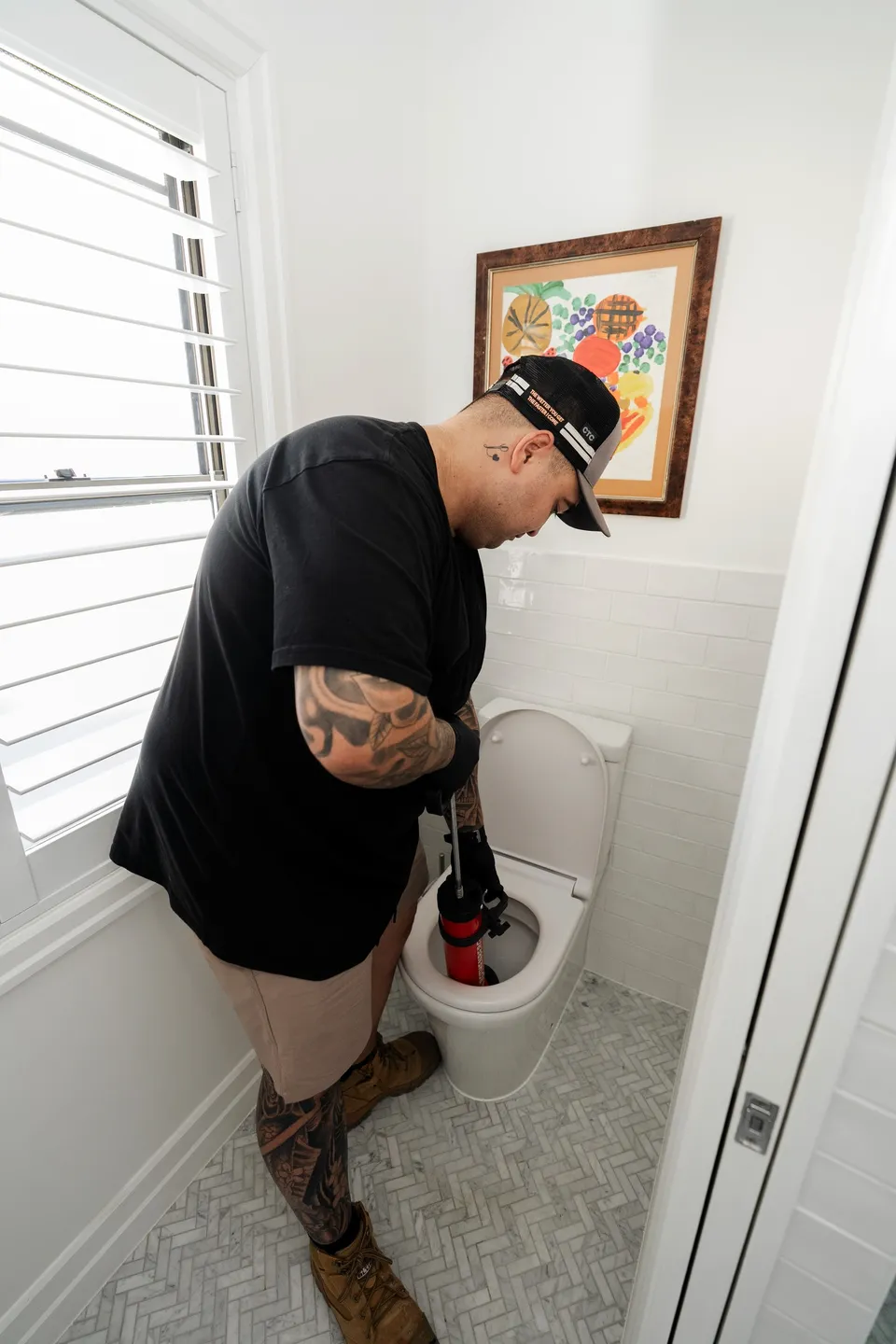
Inlet Valve, Outlet Valve and Float Explained
Three parts sit behind almost every cistern problem, each with its own symptom. There is the inlet valve that no longer fills correctly, the outlet valve that no longer holds, and the seals that have gone hard.
The inlet valve brings the cistern back to level after a flush and closes when the float riding on the water reaches its set point. When that valve wears or blocks, you get a cistern that creeps towards full or never gets there at all, the classic cistern not filling complaint.
The outlet valve holds the stored water between flushes. Its washer sits behind most running toilet calls: once it wears, water slips quietly into the pan, and the inlet valve keeps topping the cistern up to replace what escaped.
A weak flush is a different fault again. The usual causes are:
- a water level set too low in the cistern
- jet holes under the rim blocked by scale
- a faulty flush mechanism, such as a flush button that sticks or only half-triggers
If the supply is on and the fill is still slow or absent, suspect a worn inlet valve, a float set too low, or a stop tap that is not fully open.

Damp Floor Around a Toilet
Toilet water shows up in three places, and each place points to its own part: the supply end, the join between cistern and pan, and the base.
Dampness at the supply end usually comes from the small stop tap feeding the cistern, often called a mini stop, or from the braided hose that connects it. A wet ring where the cistern sits on the pan means the washer joining the two has failed.
Water pooling around the base usually means the pan connector and its seal, a weeping supply join, or a crack in the pan itself. On the timber floors of the older Ashgrovian houses, years of slight flex can work a pan seal loose without anything being visibly broken.
A sewer smell is the fourth sign, and it matters. It usually means the rubbers sealing the pan into the drain have hardened or shifted, letting sewer air through, and the fix is resealing rather than masking the odour.
You can check for a silent leak yourself: add a few drops of food colouring to the cistern and leave it unflushed. Colour showing in the bowl means water is escaping past the outlet valve, and flushing afterwards clears it because the dye leaves ceramic unstained.
Damp that spreads past the toilet and along the walls is a bigger job, and our tap and toilet plumbing page sets out where that work sits.
Cistern Washers and the Licence Line
Queensland's plumbing regulator, the QBCC, allows anyone with the right knowledge and skill to swap three cistern parts without a licence: the drop valve washer, the float valve washer and the suction cup rubber. The result still needs to comply with the plumbing standards.
Everything else on a loo counts as minor work that a QBCC licensee carries out. No council permit is needed and no Form 4 is lodged, but the licence line still applies to:
- inlet and outlet valve bodies, not just their listed rubbers
- seals, pan connectors and the flush mechanism
- the supply line and its isolation tap
Renters get extra protection. A blocked or broken loo sits on the Queensland emergency repair list for rentals. Tenancy law requires the owner or manager to keep the premises in good repair, and the tenant reports the fault as soon as possible.
Owners doing their own checks can read the same licence rules on our tap repairs page, which covers what the QBCC lets you touch at the basin and what belongs to us.

When a Cracked Toilet Is Past Repair
What drives the bill is the part that failed, any crack in the porcelain, the working room around the cistern and its isolation valve, and how much we replace. The figure is locked into a fixed quote after we have inspected the job, never guessed over the phone.
Repair gives way to replacement in two situations:
Cracked porcelain
A split cistern or pan has no reliable patch, so the cracked piece gets replaced rather than repaired.
Fix after fix
A loo that keeps needing new parts can cost less to replace than to keep repairing, and we judge that job by job.
Any replacement cistern or pan needs WaterMark certification plus registration under the Water Efficiency Labelling and Standards (WELS) scheme before a licensed plumber may legally install it. We fit products that carry both.
How We Get a Loo Working Again
- 1

Call or message us
Ring (07) 3524 7137 or use the form and describe what's going on in Ashgrove. A few details up front mean the right gear comes on the first trip.
- 2

We test fill, flush and flow
We lift the lid, watch the fill and the flush through a full cycle, and check the inlet and outlet valves plus the supply tap, so we name the failed part before touching anything.
- 3
Fixed quote, then the work
We give you a fixed quote before any work starts. It's flat-rate pricing with no hidden fees, and we only start once you approve it.
- 4

Settle up your way
Card and EFTPOS payment on site when the job's finished, or Fix now, pay later if that suits you better.
Plumbing job in Ashgrove?
$0 call-out fees, available 24/7, and same-day where we can.
Toilet Repair Questions We Hear
Call (07) 3524 7137What usually goes wrong inside a toilet cistern?
Three parts cause nearly all cistern faults. A worn inlet valve fills the cistern slowly or never stops filling. A worn outlet valve lets water run into the pan, and hard seals start leaking.
Why is there a sewer smell coming from my toilet?
The smell usually means the rubbers where the pan meets the drain have hardened or shifted, letting sewer air past. We check those rubbers and the pan connector that joins the pan to the floor, and reseal or replace what has failed.
Why won't my toilet flush properly?
A weak flush usually traces to a low cistern water level, scale blocking the rim jets, or a flush button that fails to reset. We check all three and replace the part at fault.
How much do toilet repairs in Ashgrove cost?
The price follows the failed part, any crack in the porcelain, the working room around the cistern and its isolation valve, and how much we replace. You get a fixed quote before any work starts, set after we have inspected the job.
Does Urban Utilities cover water lost from a leaking cistern?
No, the utility's concealed leak adjustment excludes water lost through a leaking toilet cistern, so the property owner carries that loss on the bill. Fixing a running cistern promptly is the surest way to stop it.

Ring Local Ashgrove PlumbingWe'll call you back.
Phone (07) 3524 7137 for a licensed plumber in Ashgrove. We work under QBCC No: 15024607, with flat-rate pricing, no hidden fees and same-day where we can.
If the leak is outside, at a garden tap or a hose bibb on the old weatherboards, our outdoor tap repairs page covers that work too.
To claim your $0 call-out fee, call (07) 3524 7137 today.