How to Find a Water Leak
Knowing how to find a water leak starts at the meter, because a leak runs day and night and the meter records every litre of it. A bill that jumps with no change in your habits is usually the first clue. For the full run of what we do across Ashgrove, start with our home page.
If we're late, $100 comes off your bill

- Licensed and InsuredEvery job done by a licensed plumber. QBCC No: 15024607
- Fixed Quote FirstFlat-rate pricing, agreed before any work starts
- Lifetime Labour WarrantyBacked by our Fix-It-or-It's-Free guarantee (T&Cs apply)
- $0 Call-Out FeesNo extra charge for nights, weekends or public holidays
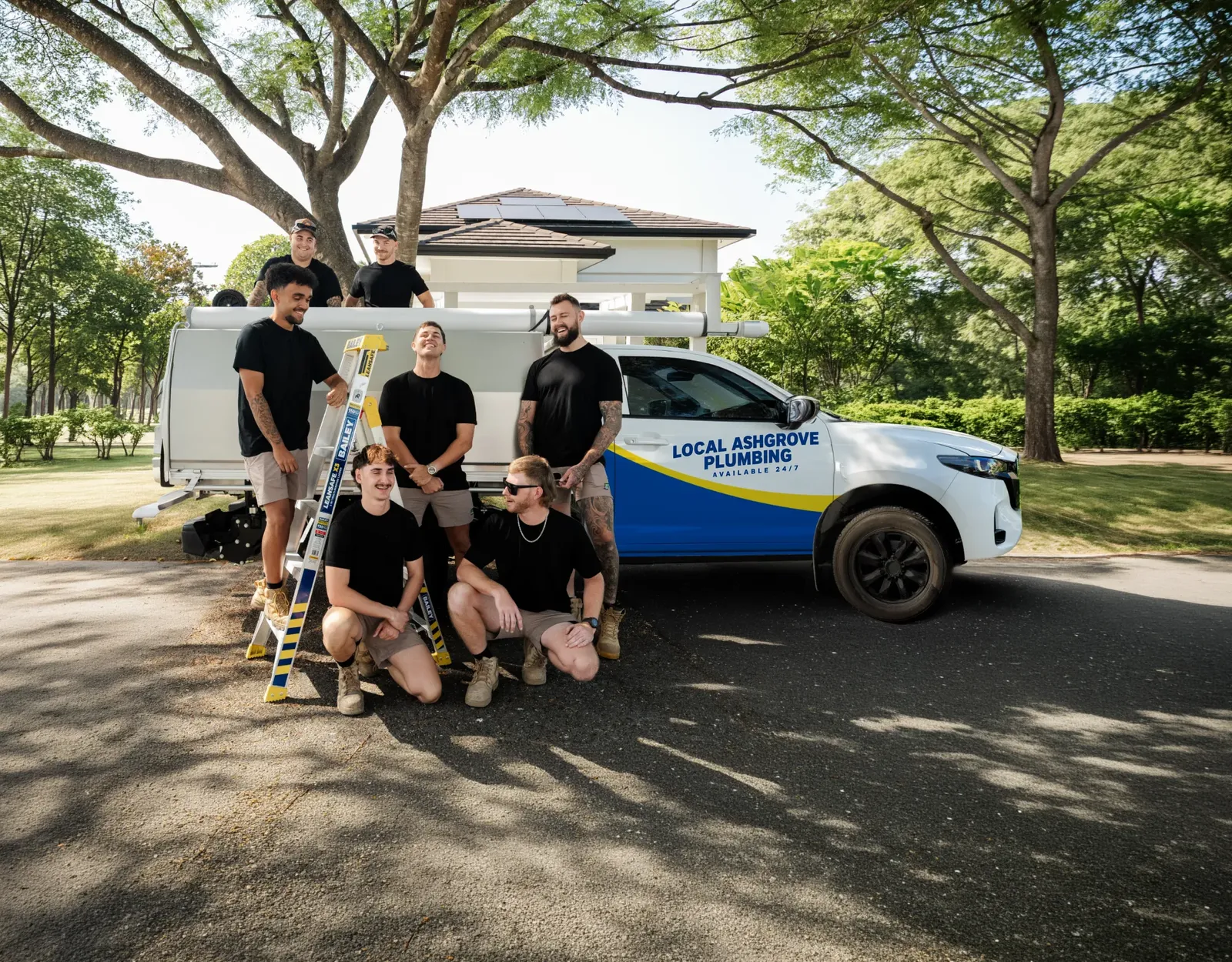
The suburb's older timber houses carry a particular risk here. Many pre-war walls were never re-piped, so galvanised supply lines rust quietly in the cavities, and a pinhole at a corroded joint can soak lining boards before a stain shows. The checks below catch most leaks well before that.
Does Your Meter Move With Everything Off
- 1

Turn everything off
Close every tap, the garden hose, the washing machine and the dishwasher, plus any plumbed-in fridge and irrigation. Leave the meter's own control tap open, or the test tells you nothing.
- 2

Capture the numbers
Photograph the dial, small red digits included, because those register the slowest drips. A photo also beats memory when you compare later.
- 3
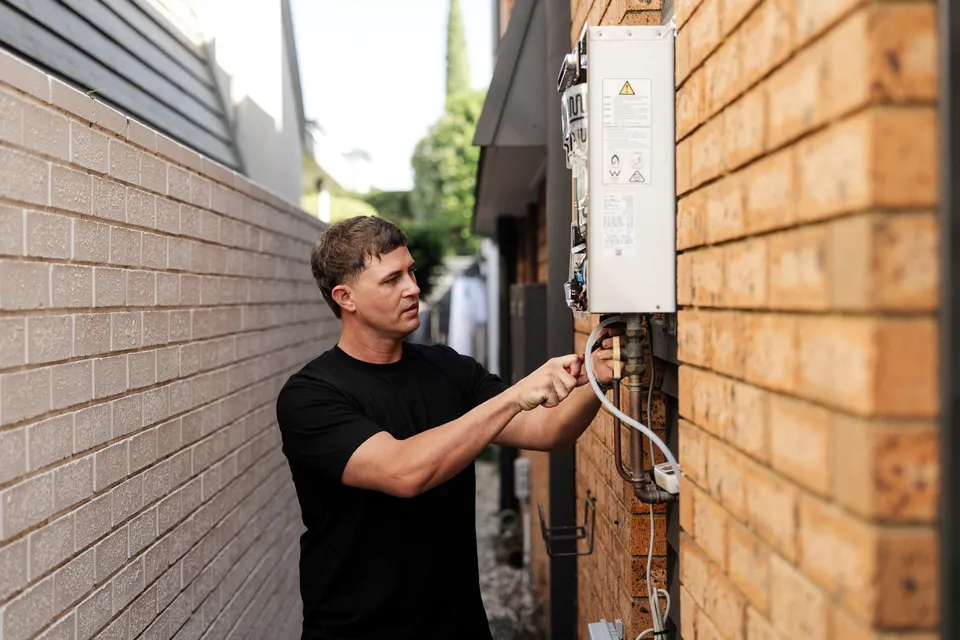
Read it again later
Go back after a stretch with no water drawn anywhere on the block. A number that has crept forward points to a leak, and a licensed plumber should take it from there. One thing worth knowing: your water utility does run programs that flag unusually high use, but being contacted is not something to bank on. Your own meter is the dependable early-warning system.
Plumbing job in Ashgrove?
$0 call-out fees, available 24/7, and same-day where we can.
Where Water Hides in the Yard
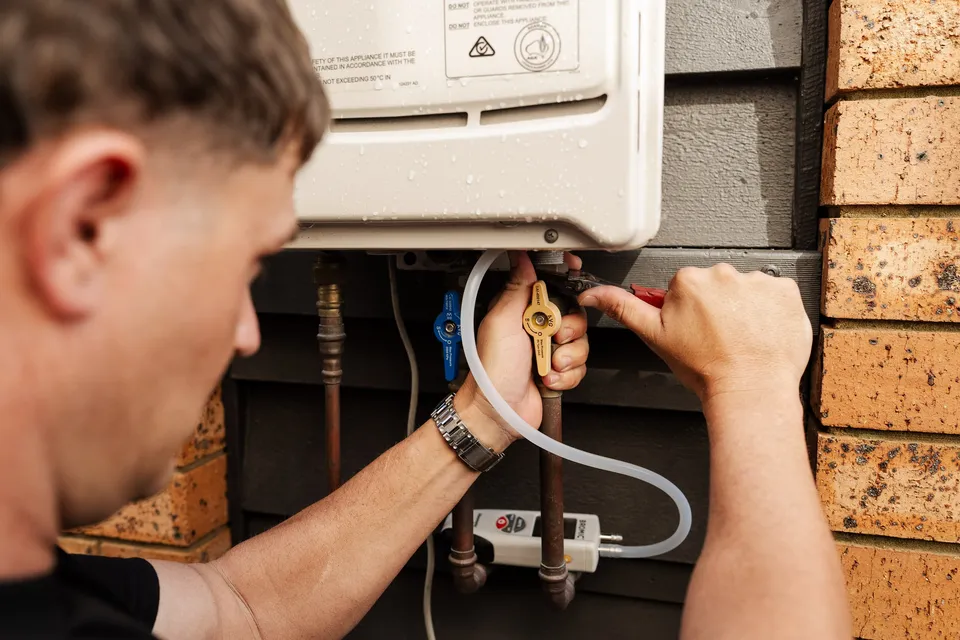
The outdoor hunt covers the garden tap and its fittings, any rainwater tank, and the state of the ground. A slow drip outside can waste thousands of litres before anyone notices.
Garden tap and hose fittings
run a hand over the fitting and look for pooled water at the base.
Rainwater tank on town supply
check whether the tank keeps topping itself up from the mains. A faulty solenoid inside can trickle water in unnoticed, and a plumber confirms which part is at fault.
The ground itself
soggy soil, a patch of lawn greener than its neighbours or paving gone out of level all point to a leak below. Under the older lawns near Glenlyon Drive, earthenware drains have had decades to shift at their joints.
A pool owner gets one extra check, and it needs nothing but a bucket. Fill it with water from the pool, stand it on a pool step so the levels match, mark both, then wait a day with nobody swimming. A pool level that falls further than the bucket has a leak; matching drops are just evaporation.
Toilets, Taps, Showers and Appliances
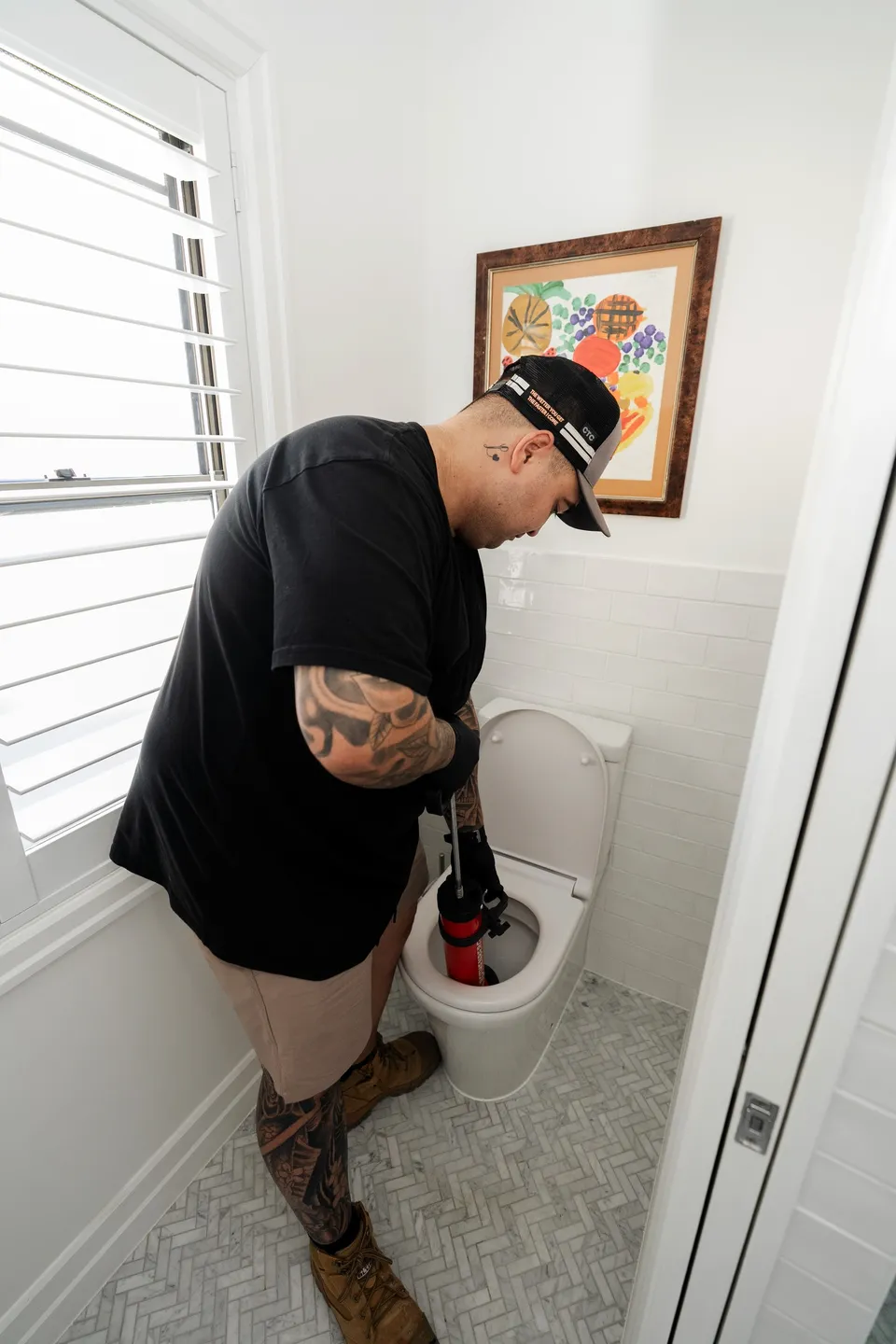
Indoors, start at the cisterns and work outward: the dye test first, then taps and showers, then plumbed-in appliances, then the surfaces themselves. Treat damp, stains or a musty smell on walls, ceilings and floors as the last checkpoint, because they show up late.
Cistern dye test
add a few drops of food colouring to the cistern, wait without flushing, and check the bowl. Colour in the bowl means the cistern is passing water; flush afterwards, since the dye will not stain ceramic.
Taps and showers
confirm each one shuts off fully, spout and showerhead included.
Plumbed-in appliances
look for drips at the fridge connection and around the hot water system.
Surfaces
watch for damp or stained linings, swollen or peeling paint, and a warm patch underfoot.
One more spot on the Queenslander streets: the storage cylinder sitting under the floor. Its base can rust out and dump a full tank through the laundry below, so a wet patch beneath the boards may be the hot water unit rather than a pipe.
Who Fixes the Leak You Find
A drip at a fixture hands you the cause. A meter that still ticks over once every check comes up empty points to a concealed leak: underground, beneath a driveway or inside a wall. Either way, the repair belongs to a licensed plumber.
Everything past the meter is yours to keep sound, concealed leaks included. The water utility's care ends at its own mains, and every fitting on the property side sits with the owner.
Fixing a broken pipe counts as minor work in Queensland, meaning a licensee must do it, though no permit is needed. The unregulated exceptions run no further than a tap washer or jumper valve and a cistern washer, which a handy owner may legally swap.
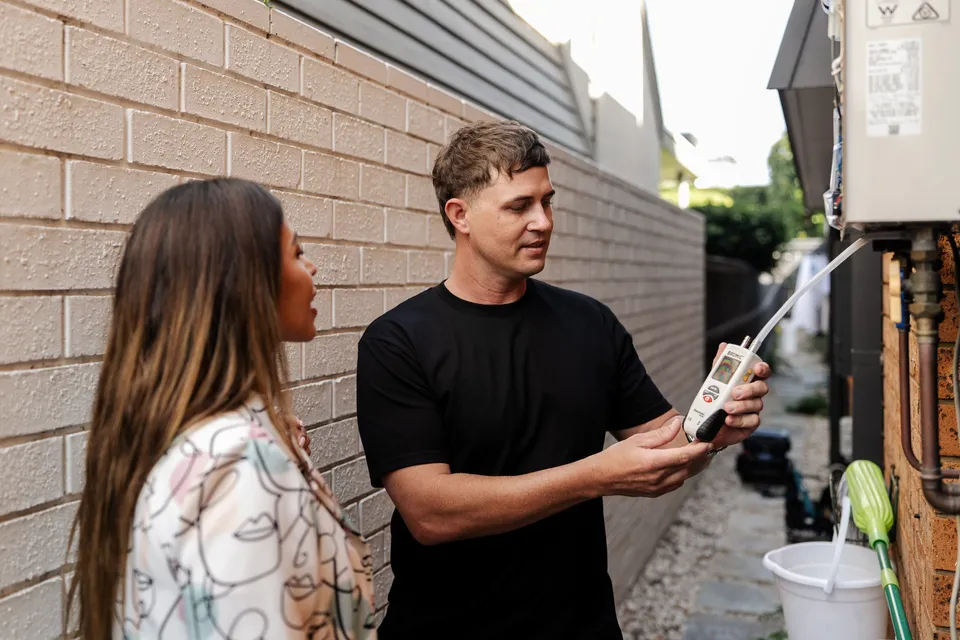
When the trail goes cold, that is the job for trace and test work, where sections get isolated, pressure-tested and followed by ear before anything opens.
Questions About Hidden Water Leaks
Call (07) 3524 7137Where will I find the water meter at my Ashgrove home?
Your meter sits in a covered pit out in the verge near the road, on the council strip before your front boundary. Lift the lid by hand or with a flat screwdriver. Photograph the numbers, red digits included, before starting any meter check.
Can a hidden leak sit under a slab in Ashgrove?
Yes, concealed leaks can sit underground, beneath a driveway or inside a wall. Plenty of the older local housing sits on raised floors, but supply lines still run below paths and garden beds. A reading that creeps up while every other check comes up empty points to water escaping somewhere hidden, which a plumber can trace.
How do plumbers find a leak I cannot find?
Plumbers confirm the leak with the meter first, then isolate sections of the supply and pressure-test each one, listening along the pipe and reading moisture before any surface gets opened. That keeps demolition to the smallest possible patch.
Will the water utility reduce my bill for a hidden leak?
Yes, sometimes: a leak hidden from view, on the property side of the meter, repaired in time and backed by a licensed plumber's invoice can qualify. Dripping taps and running toilets never count. Check the current rules with your utility first.

Ring Us About the Leak You FoundWe'll call you back.
Phone (07) 3524 7137 for a licensed plumber in Ashgrove. We work under QBCC No: 15024607, with flat-rate pricing, no hidden fees and same-day where we can.
To claim your $0 call-out fee, call (07) 3524 7137 today.